

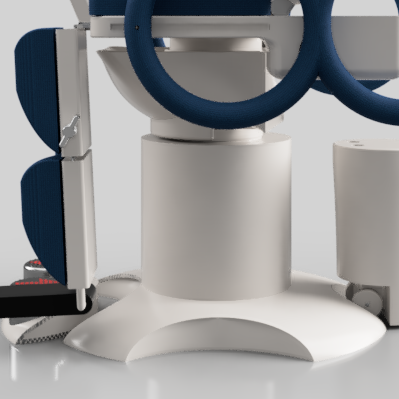
Design of a Surgical Delivery Bed for Vertical Childbirth.

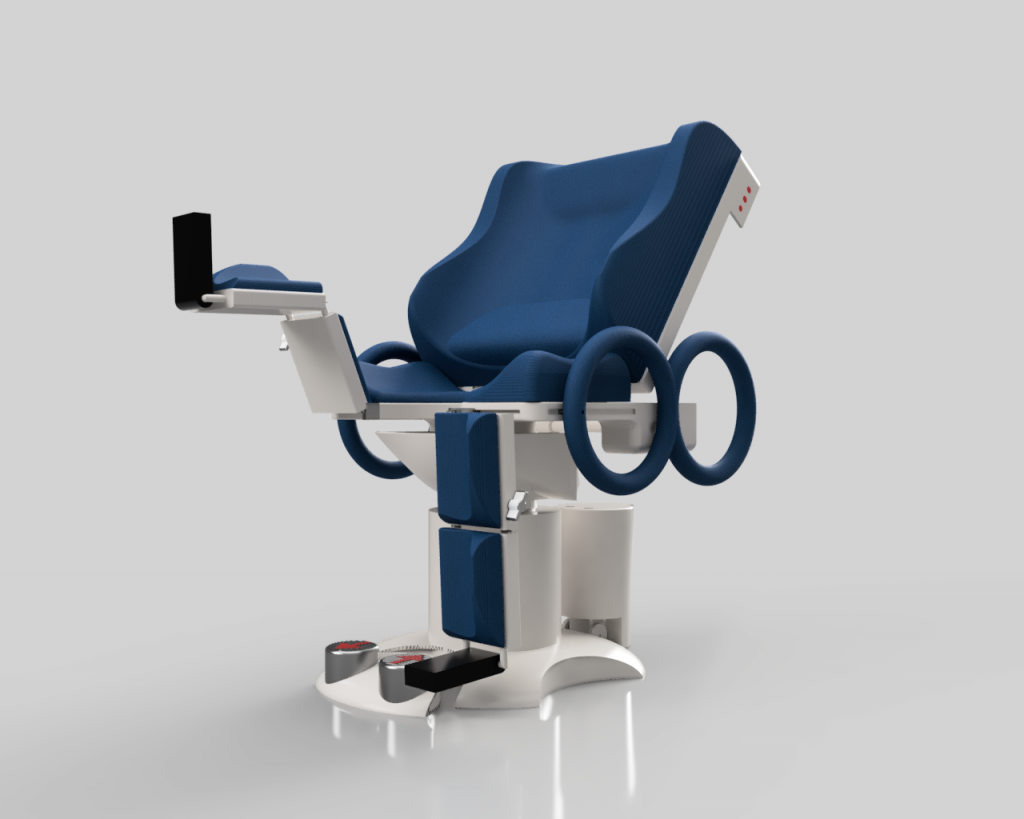
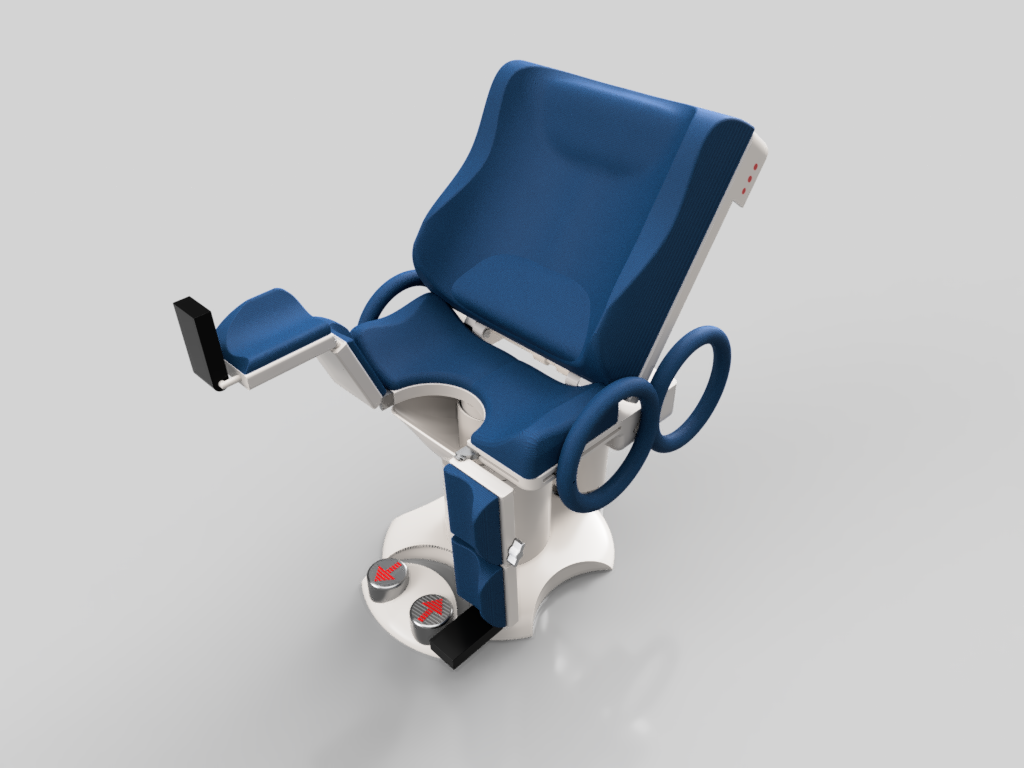
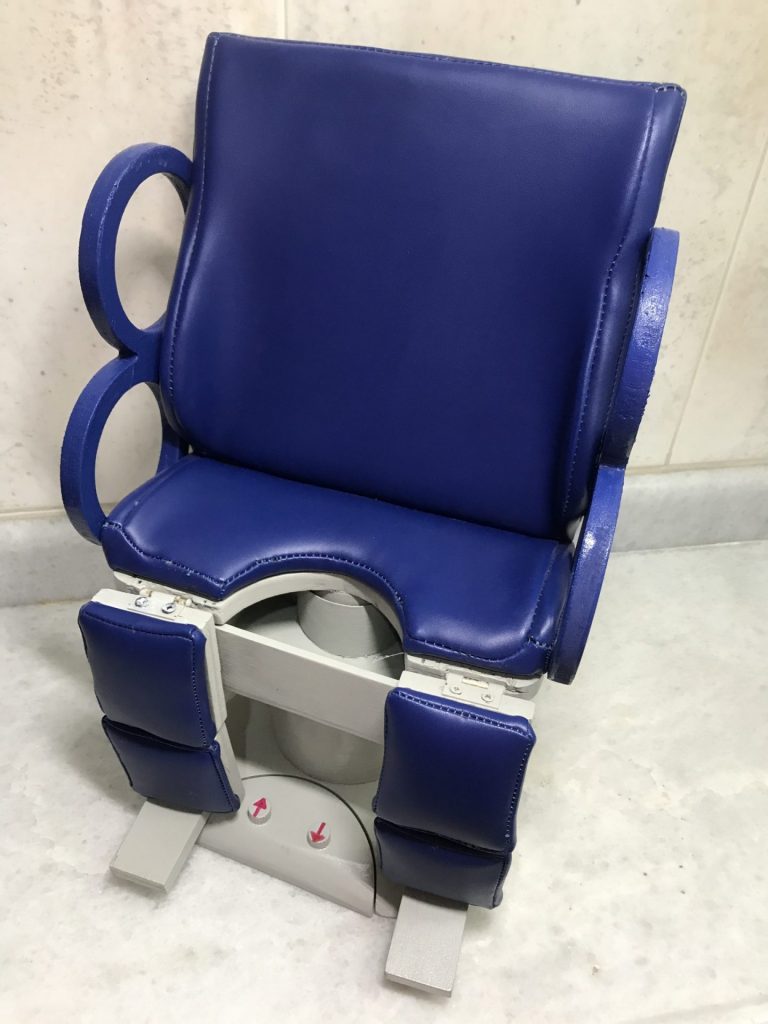
Nanti, an ergonomic delivery bed engineered for vertical natural childbirth within standard surgical operating rooms, was designed to bridge the gap between maternal birth preferences and hospital safety protocols. Developed as an academic case study at Hospital Country 2000 in Guadalajara, Mexico, the project applies User-Centered Design (UCD) to facilitate vertical delivery without compromising surgical sterility, medical access, or emergency position adjustments.

My Role

Industrial Designer, Ergonomic Researcher, Mechanical Prototyper.

Timeline

February 2020 – May 2020

Tools

Solidworks, Physical Mockups, User Research & Anthropometric Analysis, Microsoft Office.

Team

Co-developed with Daniel Ramírez Zamorano, Ana Laura Giuliani Ponce, Fabiola Cortés-Chávez, and Carlos Raymundo Garnier-Ortiz (Universidad Panamericana).

OVERVIEW

Problem

With a workforce exceeding 200 individuals, including interns, social services, and coordinators from about 10 teams, optimizing tasks, processes, and documents is crucial for ensuring alignment and uniformity, ultimately streamlining operations within the department.

  • Product Goals:

    To engineer a dual-purpose surgical delivery bed compatible with standard operating room protocols and anthropometric measurements of Mexican women aged 25–30.

  • ​To incorporate a closed, vacuum-assisted waste management system with disposable tubing that minimizes medical staff exposure to fluids.

  • ​To utilize hypoallergenic, non-corrosive surgical stainless steel and easy-to-sanitize Lectrolite/urethane core upholstery.

  • ​To implement dynamic, multi-position 360-degree rotating support handles, modular leg/calf supports, and detachable foot-pedal height controls connected to an automated pneumatic cylinder lifting over 136 kg.

DEVELOPMENT

Research

​Research & User Insights

Field research and surveys conducted with 55 multidisciplinary hospital users (gynecologists, nurses, anesthesiologists, pediatricians, and mothers) yielded critical design requirements:

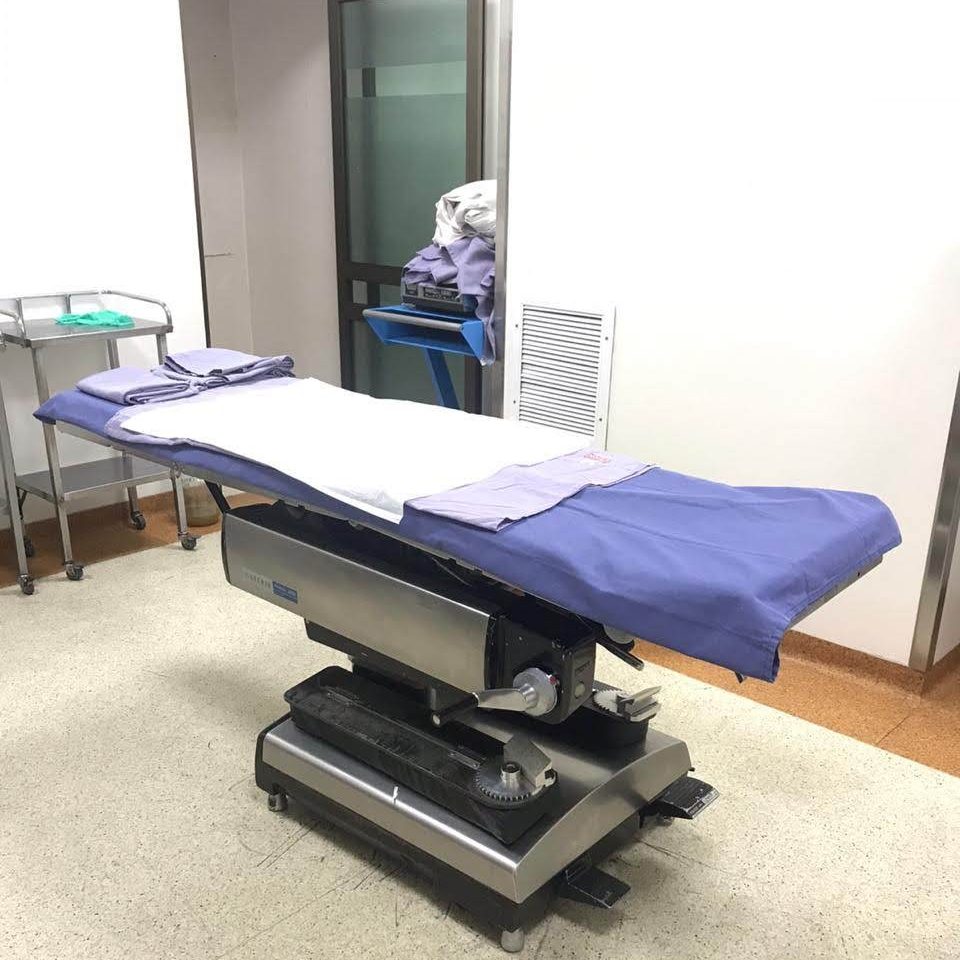
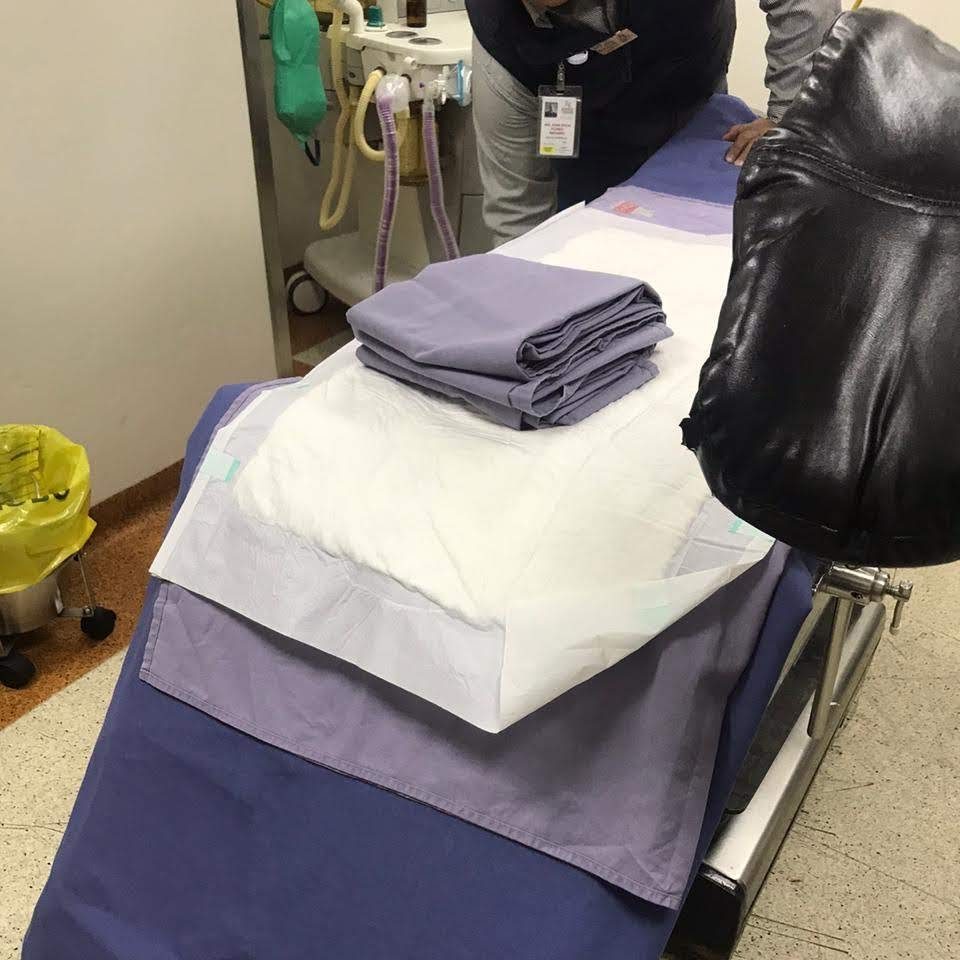
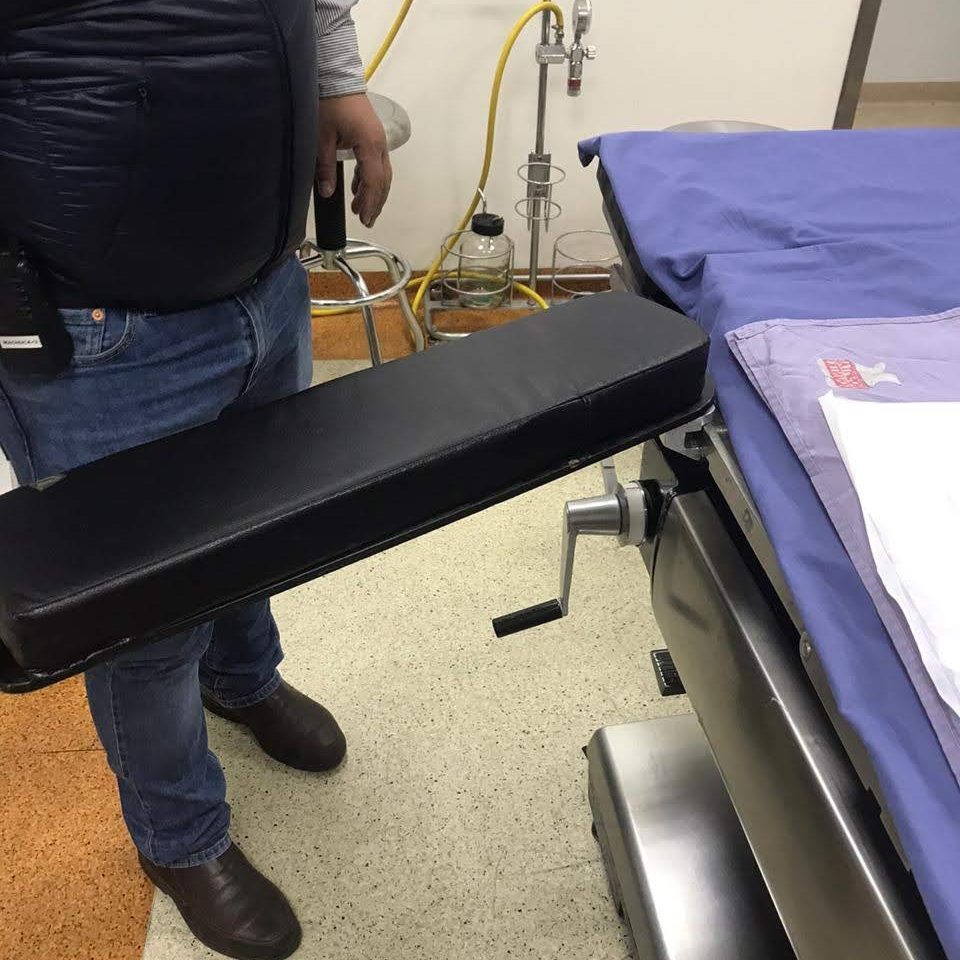
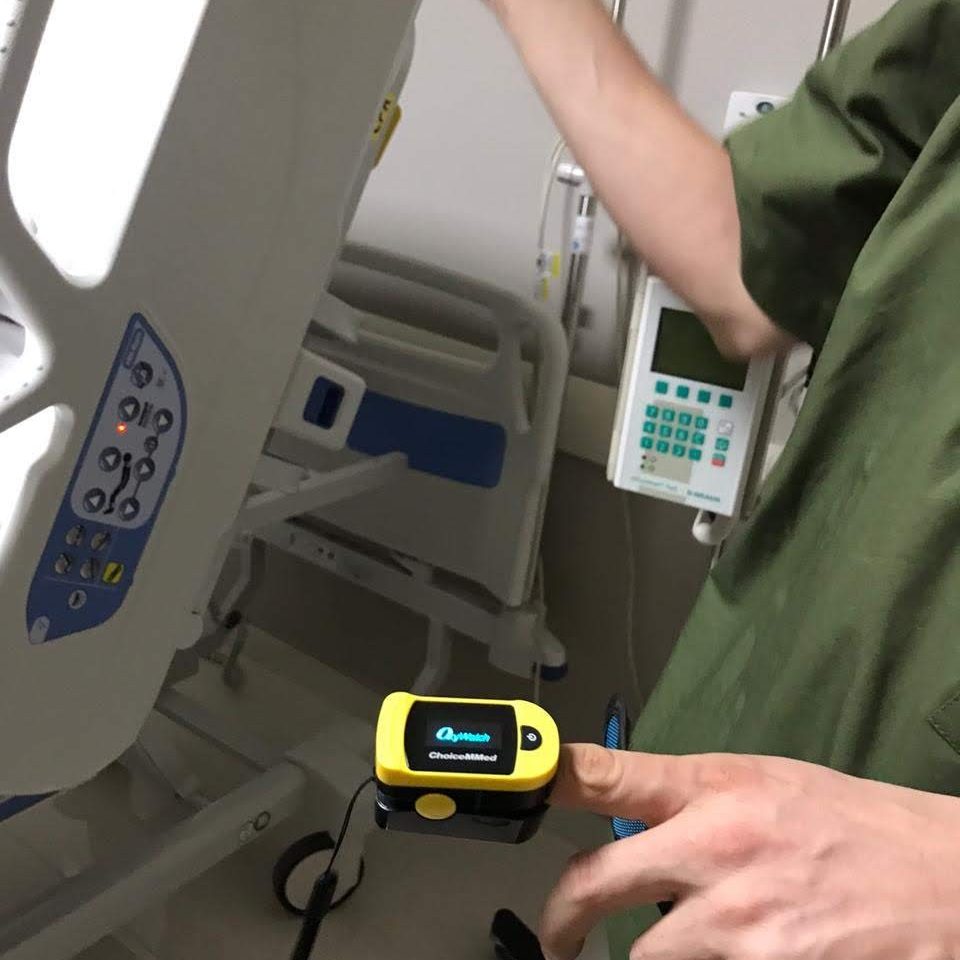
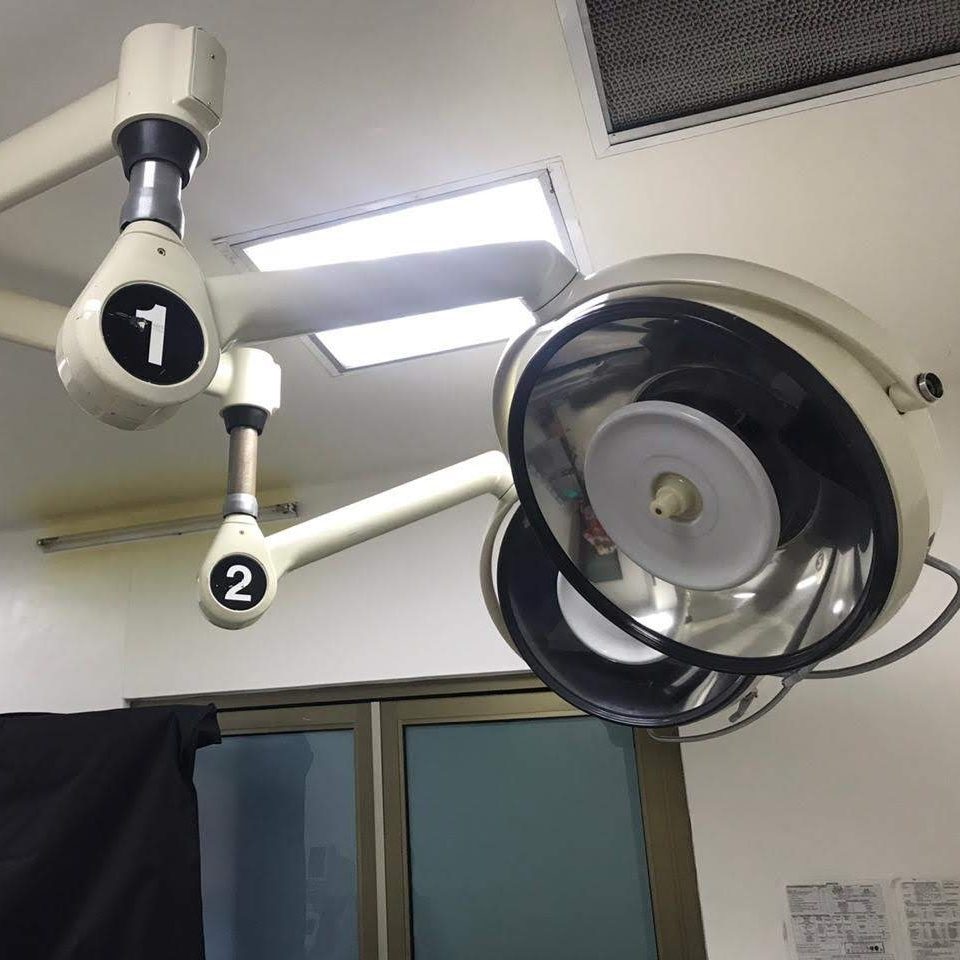
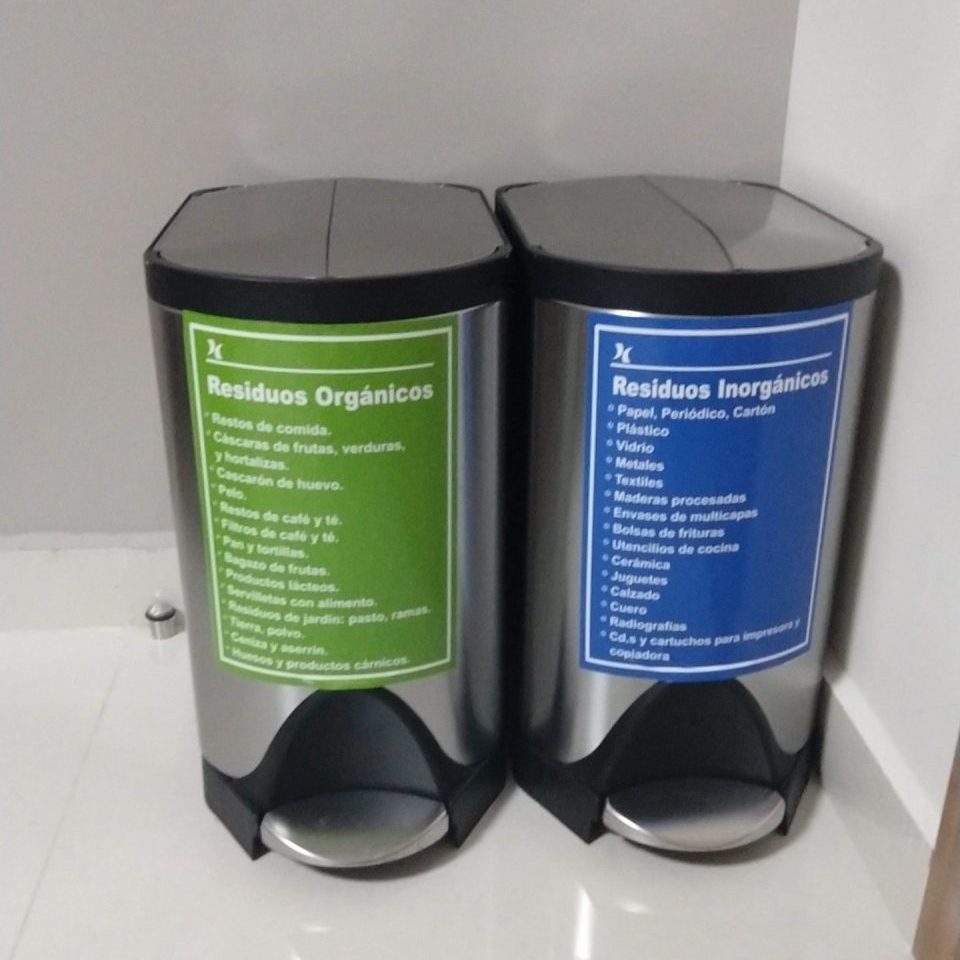
Pictures taken at the Country 2000 Hospital.

development

Pototypes & Renders

RESULTS

Final Prototypes

…

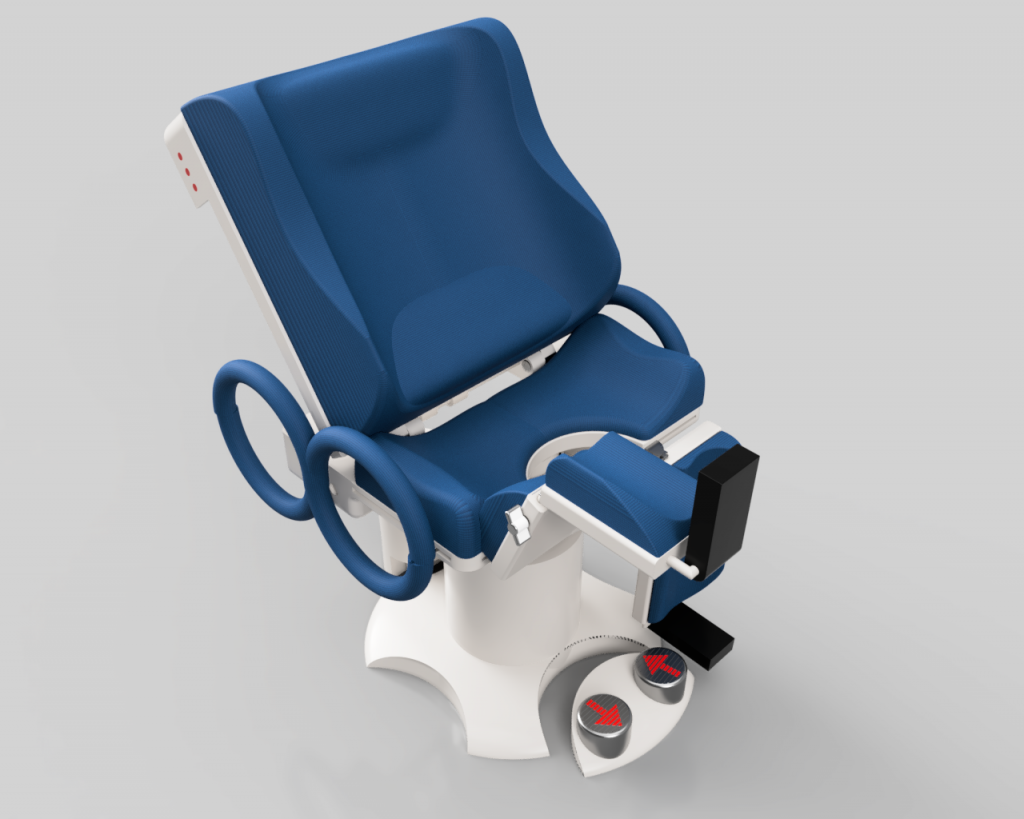
Base

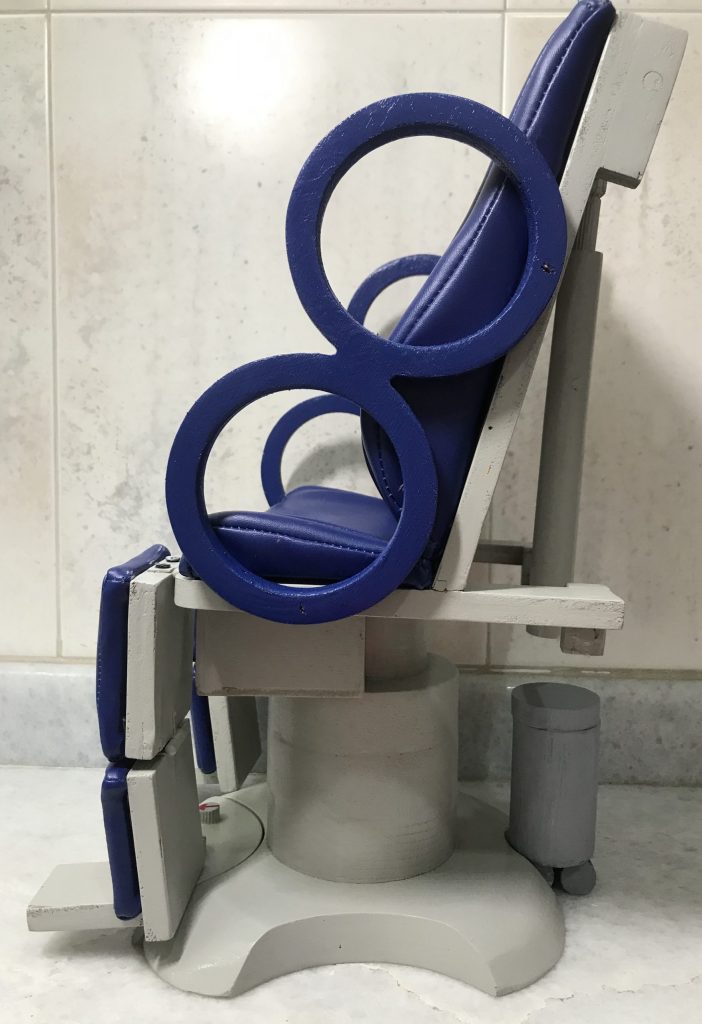
The base serves as the primary support of the bed, featuring a circular geometry engineered to maintain proper equilibrium against various applied forces.
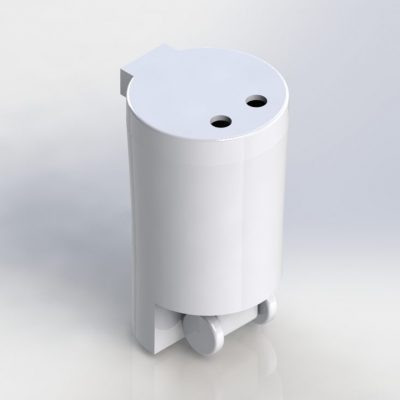
Waste Container

An independent compartment where delivery waste (primarily fluids) is collected and routed to a rear-mounted receptacle, minimizing direct contact for hospital staff.
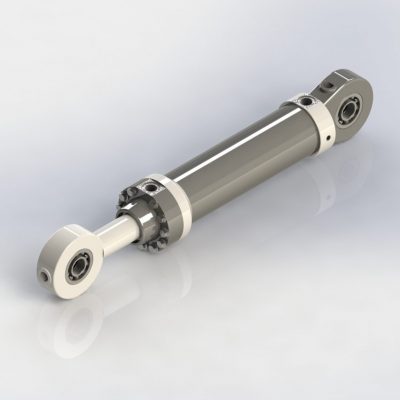
​Pneumatic Cylinder

A linear actuator mechanism that raises and lowers the lower section of the bed for safety. Utilizing an air-pressure system, it generates sufficient force to support over 136 kg, the minimum requirement for surgical beds.
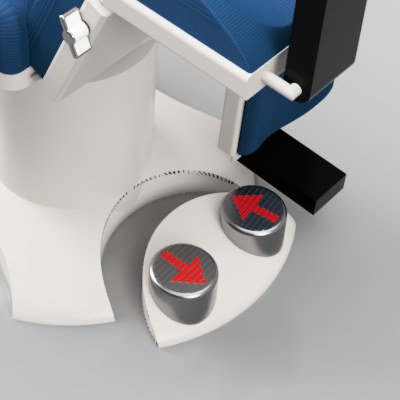
Pedals

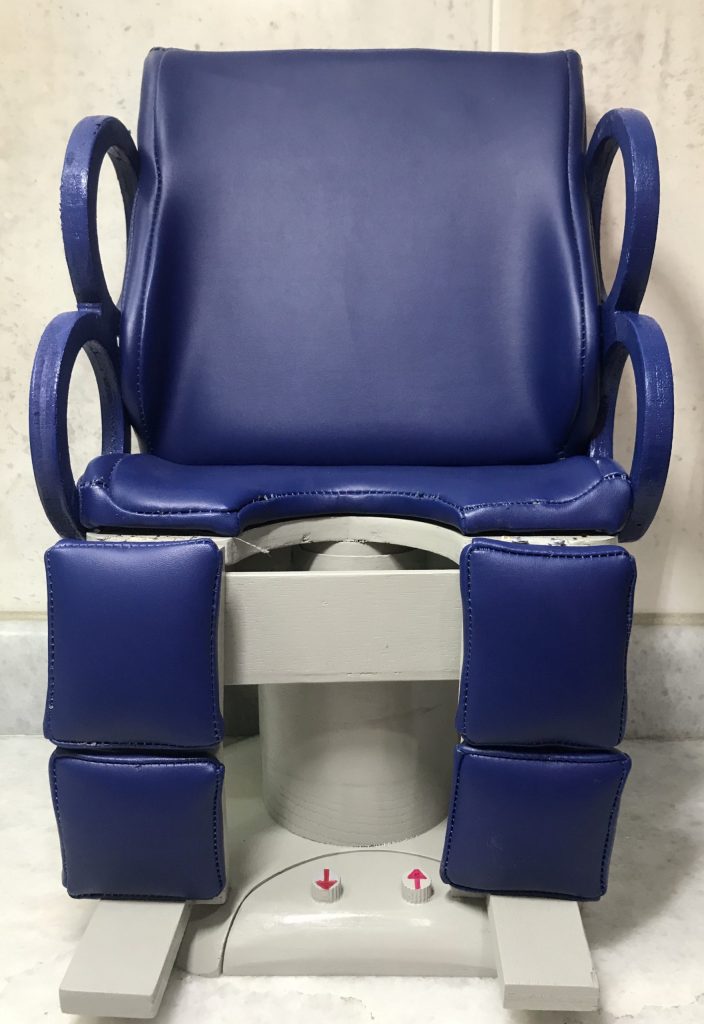
Designed to adjust seat height according to the gynecologist's needs. These are detachable from the base, allowing for customizable positioning distance.
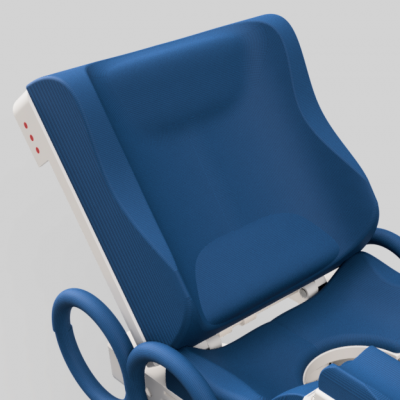
​Backrest

An ergonomic support structure for the mother during labor, fitted with a mattress made of a urethane core and Lectrolite for rapid, effective sanitation. It reclines from 0° to 90°.
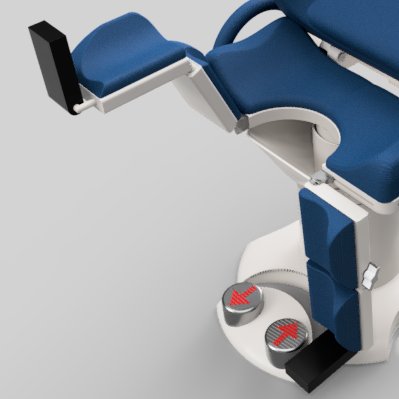
​Leg Rest Assembly

A structural system that accommodates the legs alongside non-slip footrests. It adapts to different body types via a split and expandable mechanism. Length adjustments are secured with a pressure knob, providing optimized thigh and calf support based on user feedback.
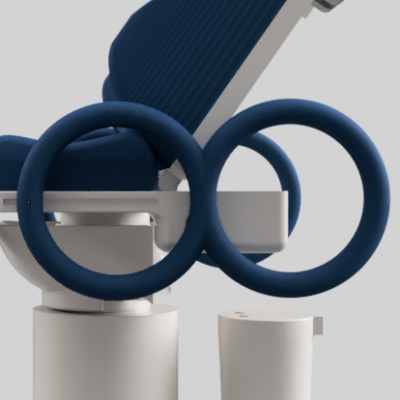
Handles

Ring-shaped silhouettes designed to provide lateral stability and security for the mother. They slide linearly along the seat base and rotate around their primary attachment point.
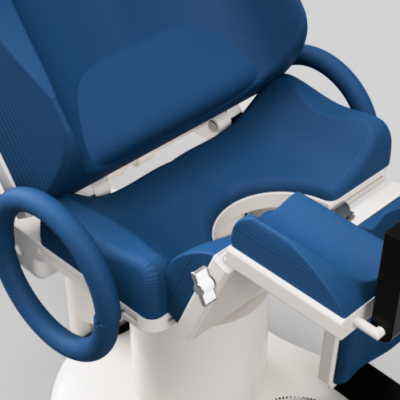
​Seat

An ergonomic seat supporting the mother during delivery, crafted with a cylindrical cutout that expands the gynecologist's sightline and manipulation area according to neonatal measurements. Its width provides ample freedom of movement and accommodates diverse body sizes.

DEVELOPMENT

IMPACT

​Research & User Insights

The Nanti delivery bed project resulted in a peer-reviewed academic research paper titled «Design of a Surgical Delivery Bed for Vertical Childbirth» (originally presented as «Delivery Bed Incorporating a Vertical Position for Surgical Rooms»). The study validated that incorporating vertical childbirth ergonomics into surgical-grade equipment significantly improves maternal comfort, procedural efficiency, and overall satisfaction across hospital delivery teams.

Are you ready to get launched into tomorrow?