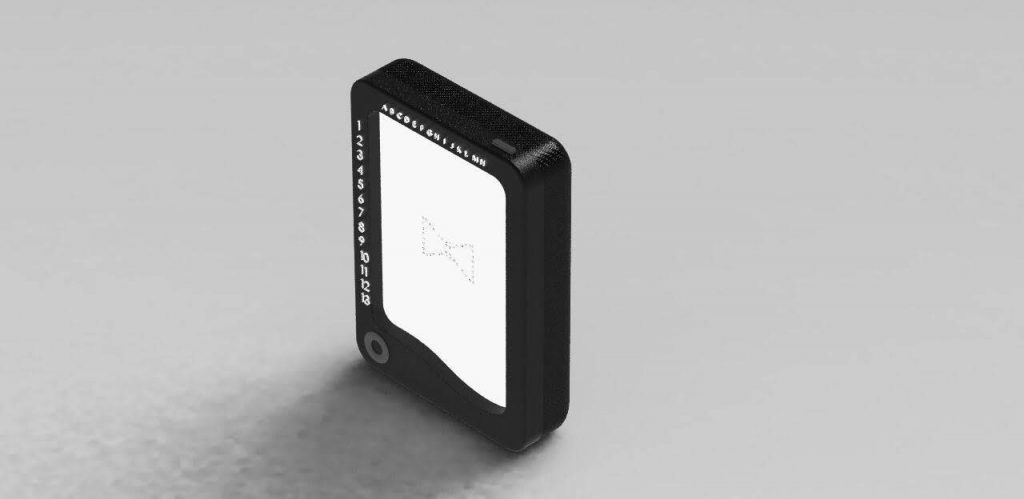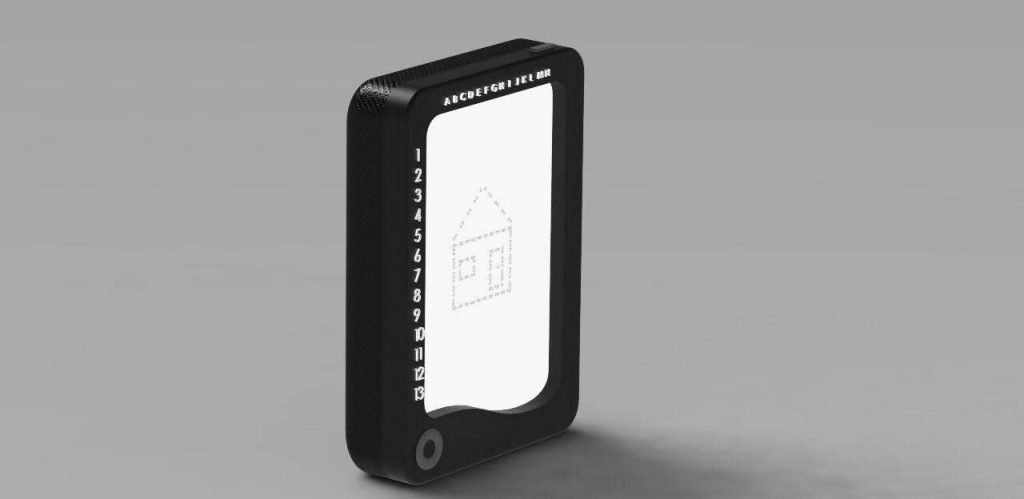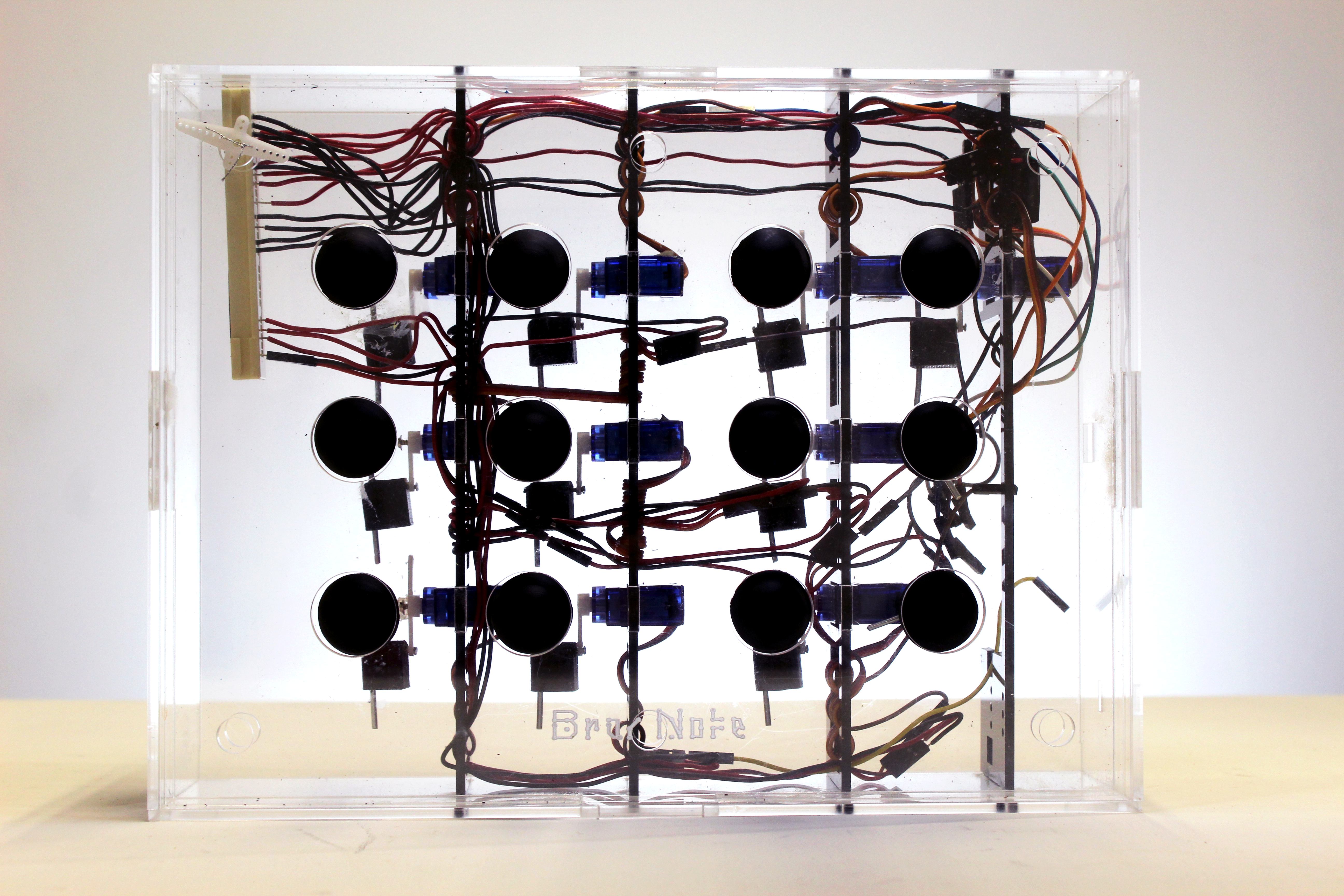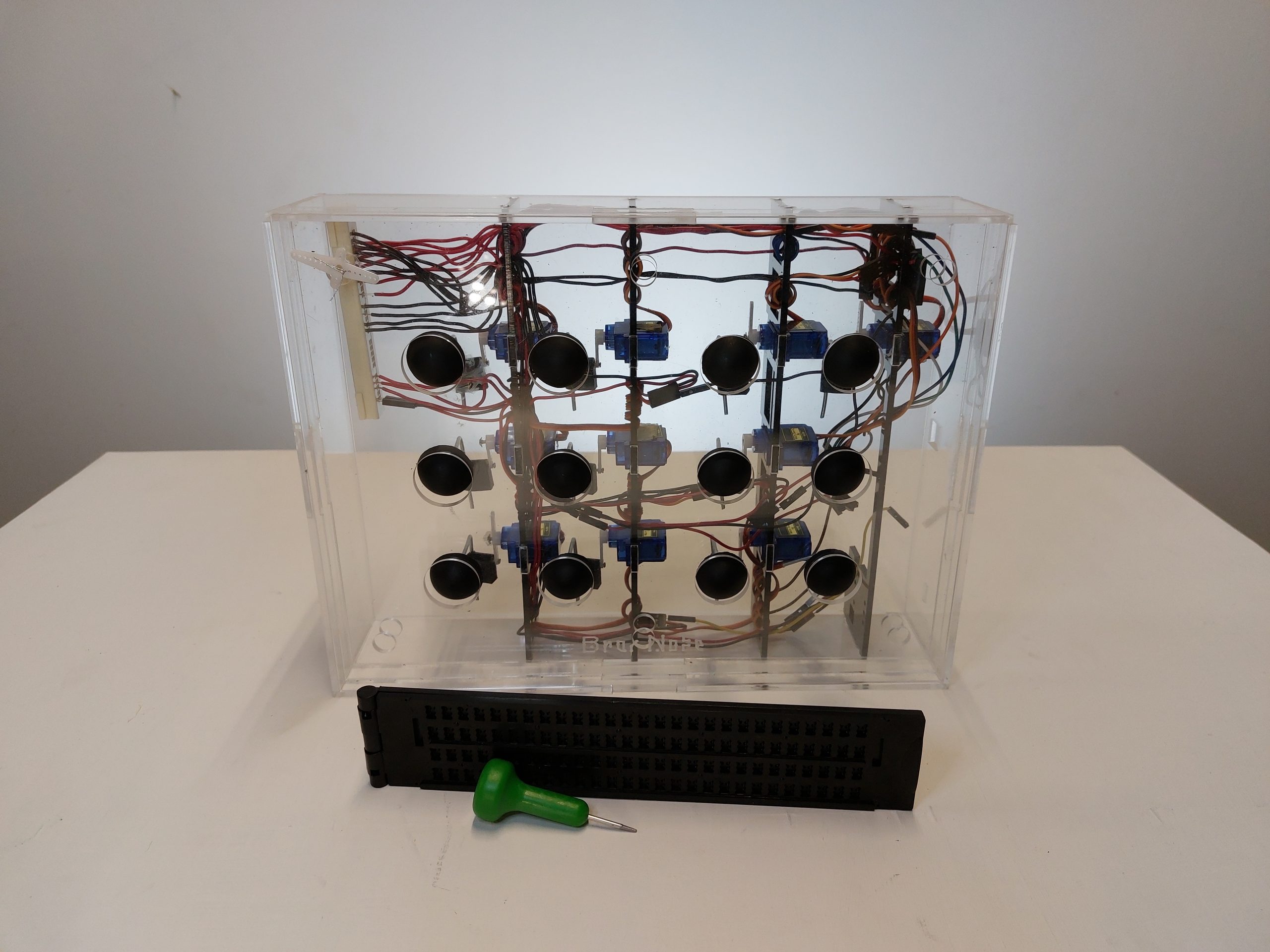
BraiNote, an accessible Braille tablet concept, was designed to expand educational and professional opportunities for blind and visually impaired individuals.
Designed to connect with digital devices and proprietary translation software, the tablet converts digital text into dynamic multi-line Braille, bridging communication gaps between sighted and non-sighted users in educational, corporate, and social environments.
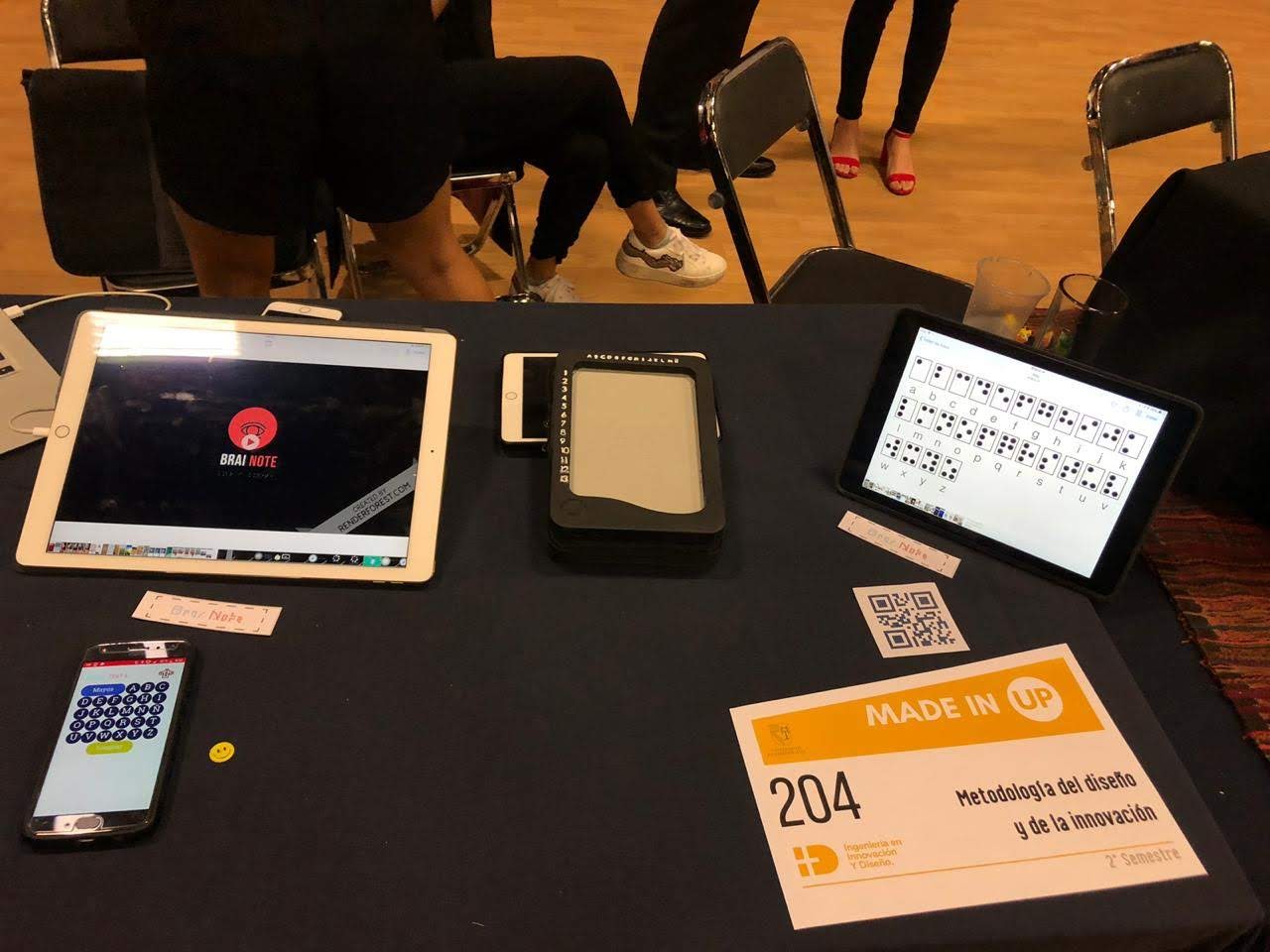
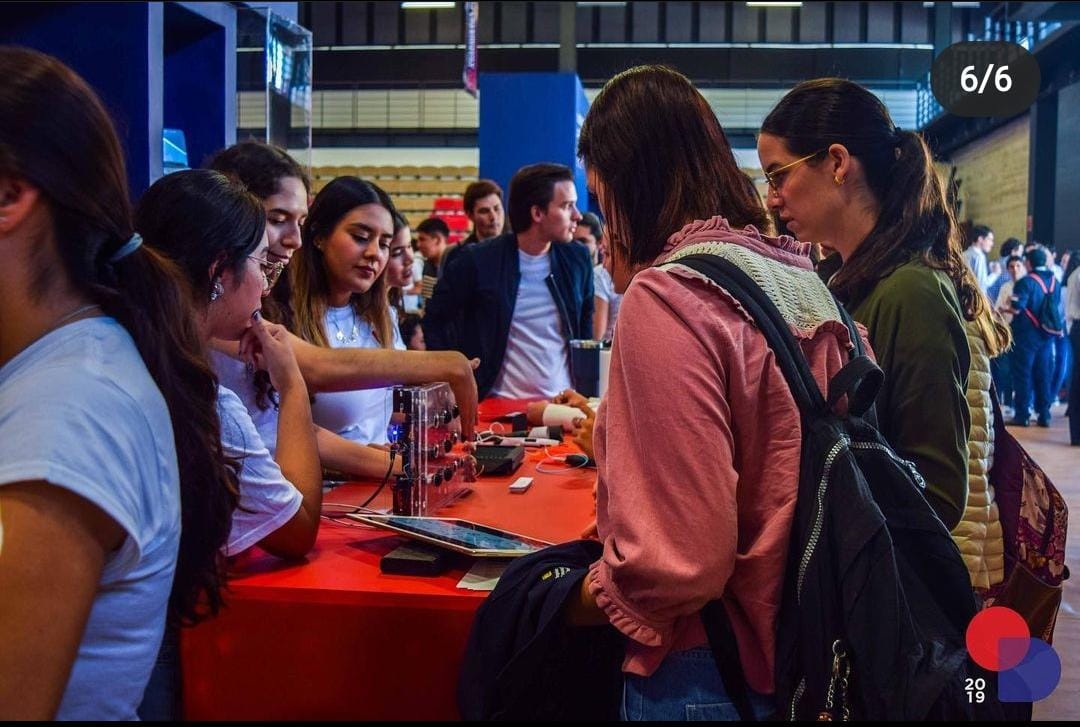
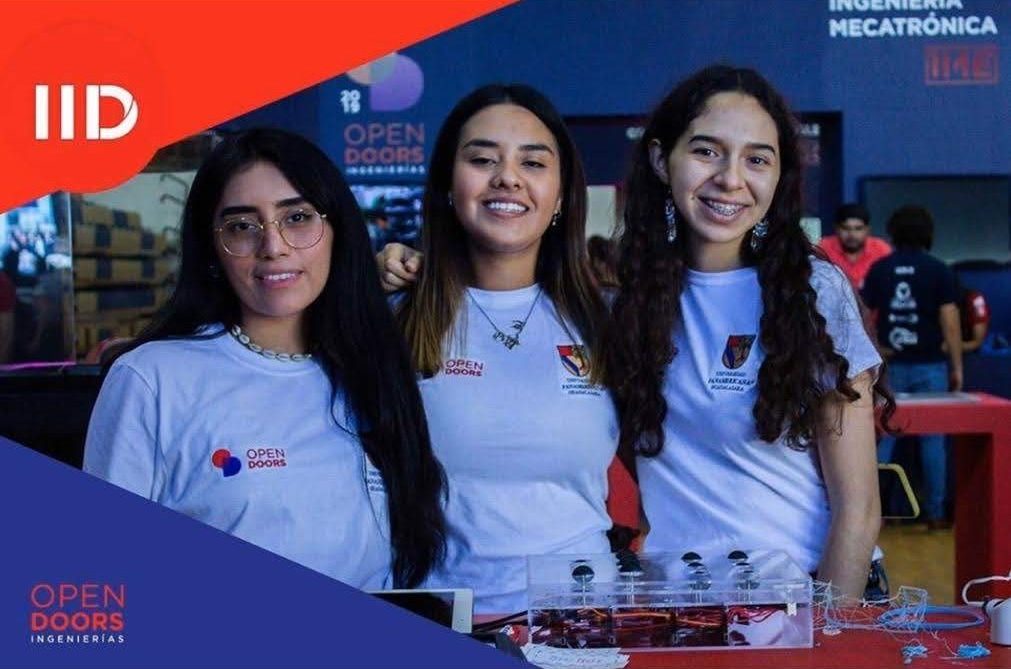
The project was recognized through entrepreneurial programs including MADE IN, SparkUP, and Open Doors UP.
My Role
Industrial Designer, Mechanical & Electronics Prototyper, Field UX Researcher.
Timeline
February 2019 - November 2019.
Tools
Arduino (C++) Servomotors, Solidworks, Laser Cutting, Illustrator, FDM 3D Printing, Field Research, User Interviewing, Social Garage Workshop Frameworks.
Team
Co-designed with Geraldine Estrada López and Grecia Alejandra Chavira Hernández.
OVERVIEW
Problem
In Mexico, over 2.2 million people live with visual impairments, and over 415,000 are blind. Traditional Braille learning tools and books are prohibitively expensive, time-consuming to print, and severely scarce. Existing electronic Braille displays are restricted to single-line text or priced at thousands of dollars. Consequently, most visually impaired individuals in Mexico do not advance past middle school, leading to low employment rates and systemic social vulnerability.
Product Goals:
To conceptualize a multi-line refreshable Braille display capable of rendering digital text, spreadsheets, and educational materials.
Design & Research Goals:
To conduct primary qualitative field research across blind schools and regional advocacy organizations in Jalisco.
DEVELOPMENT
Research
Primary Field Research & Key Insights
Direct observational visits and structured interviews were conducted at the Escuela para Niñas Ciegas de Guadalajara and the Organización de Invidentes Unidos de Jalisco, A.C.:
- Educational Bottlenecks: Visually impaired students face extreme educational limitations due to the high cost of Braille slates (regletas), heavy Braille typewriters, and reliance on limited government-issued textbooks.
- Employment & Economic Barriers: Interviewed adult users reported that while many possess advanced computing and English skills, employers rarely hire them due to a lack of accessible hardware infrastructure.
- Safety & Urban Mobility: Interviewees highlighted that urban infrastructure presents severe hazards (e.g., exposed water meters, uncovered manholes, open windows). While navigation tools exist, hardware dedicated to educational and workplace communication remained the primary unaddressed barrier.
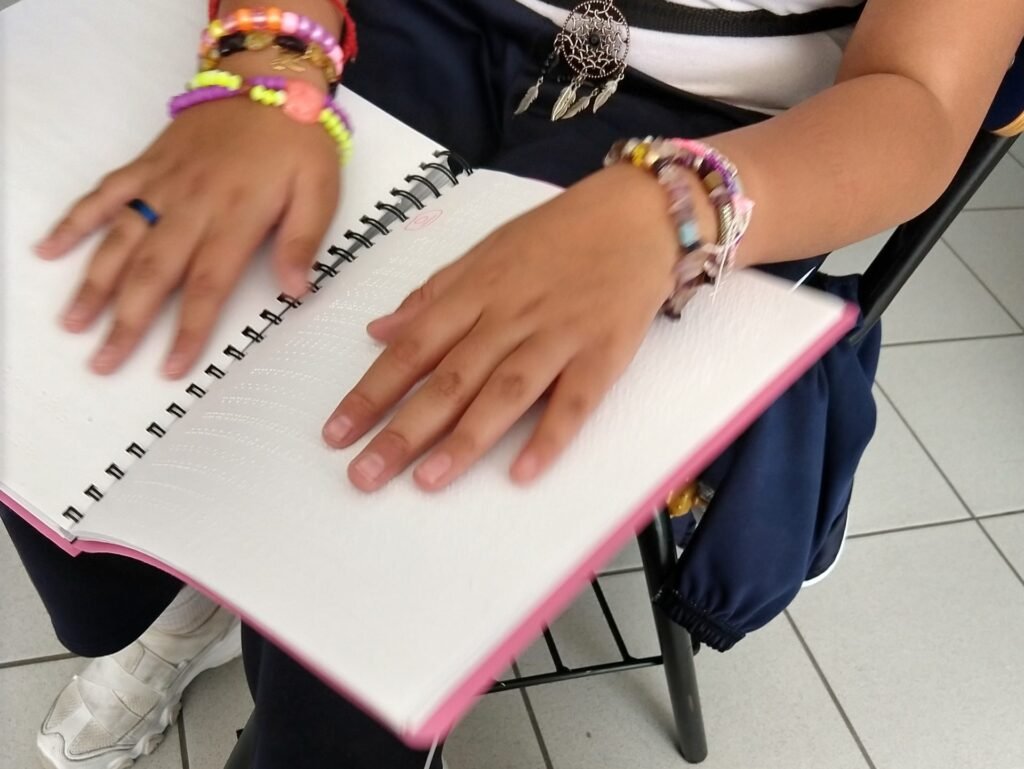
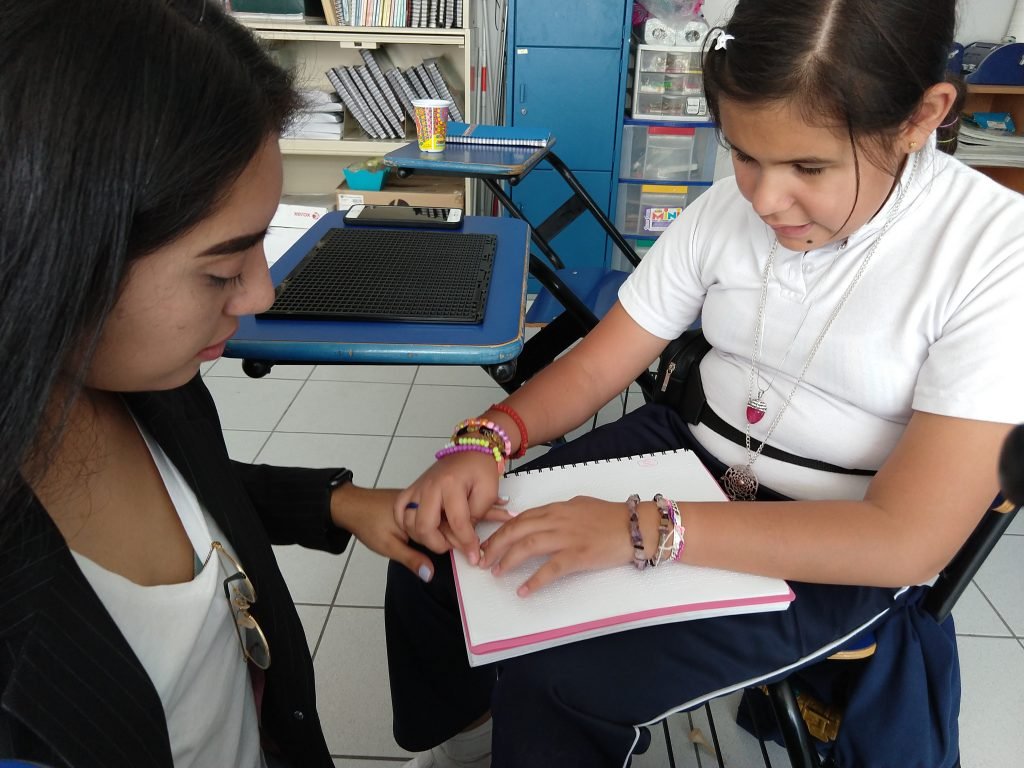
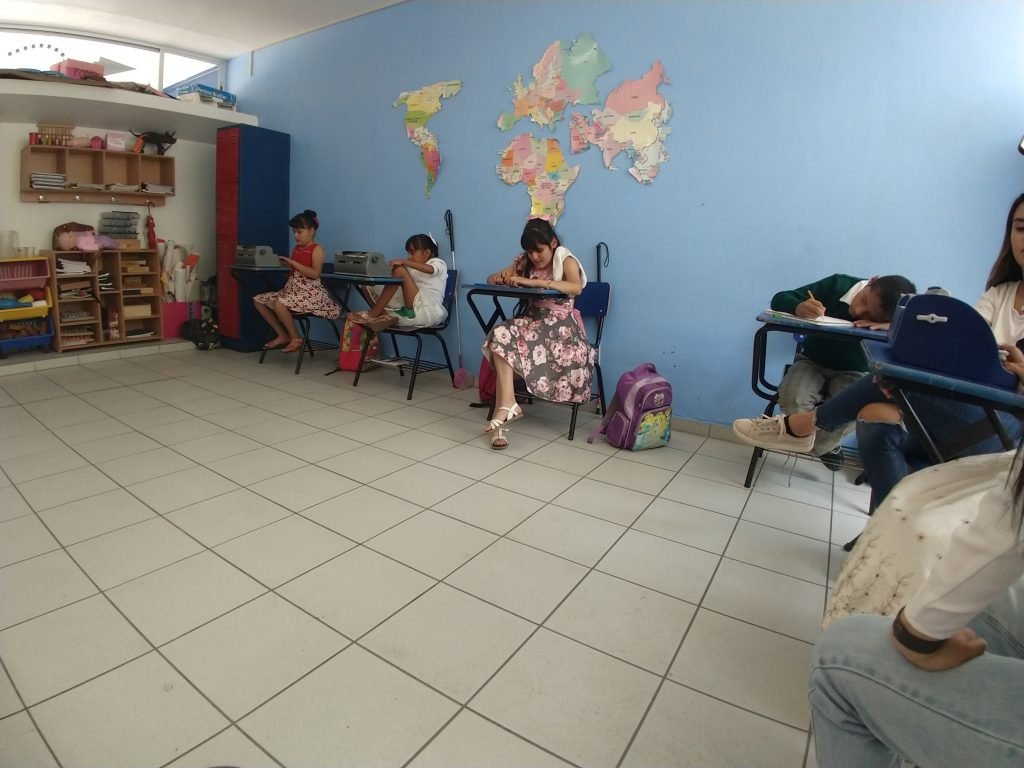
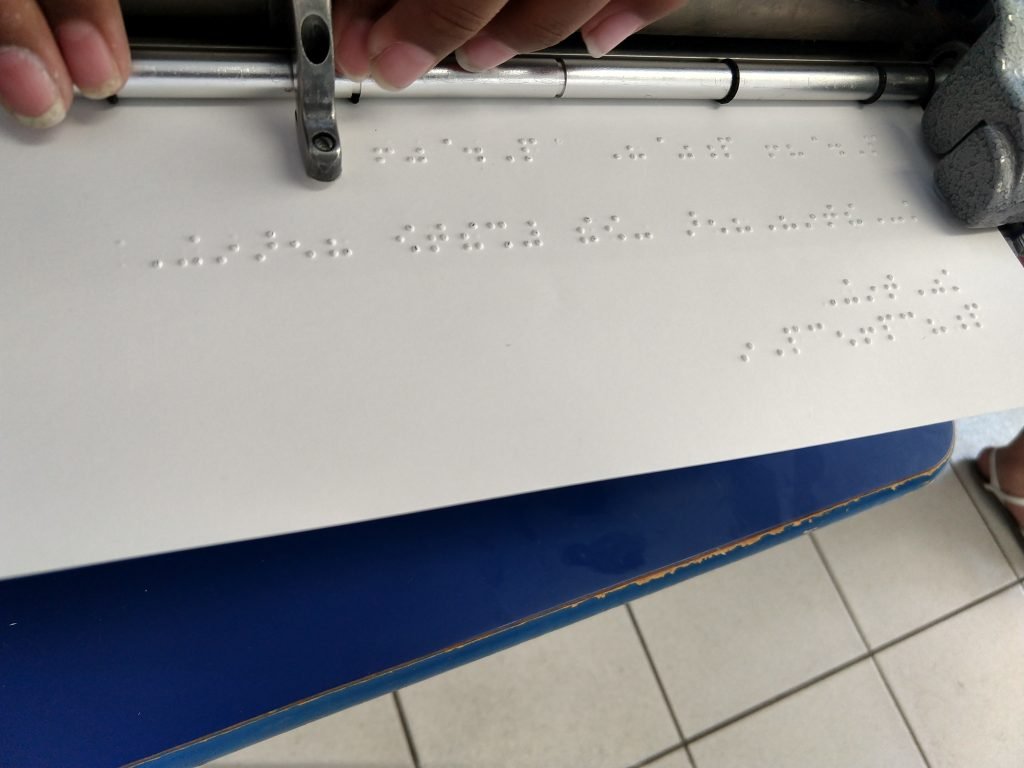
Pictures from the visit to Escuela para Niñas Ciegas de Guadalajara.
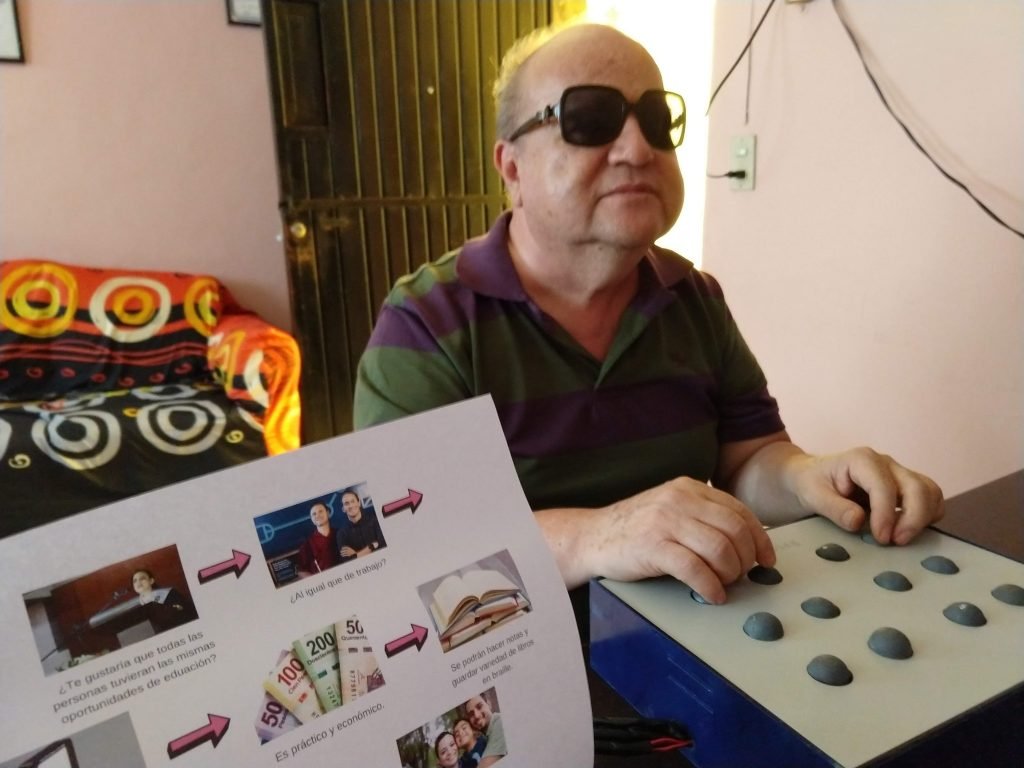
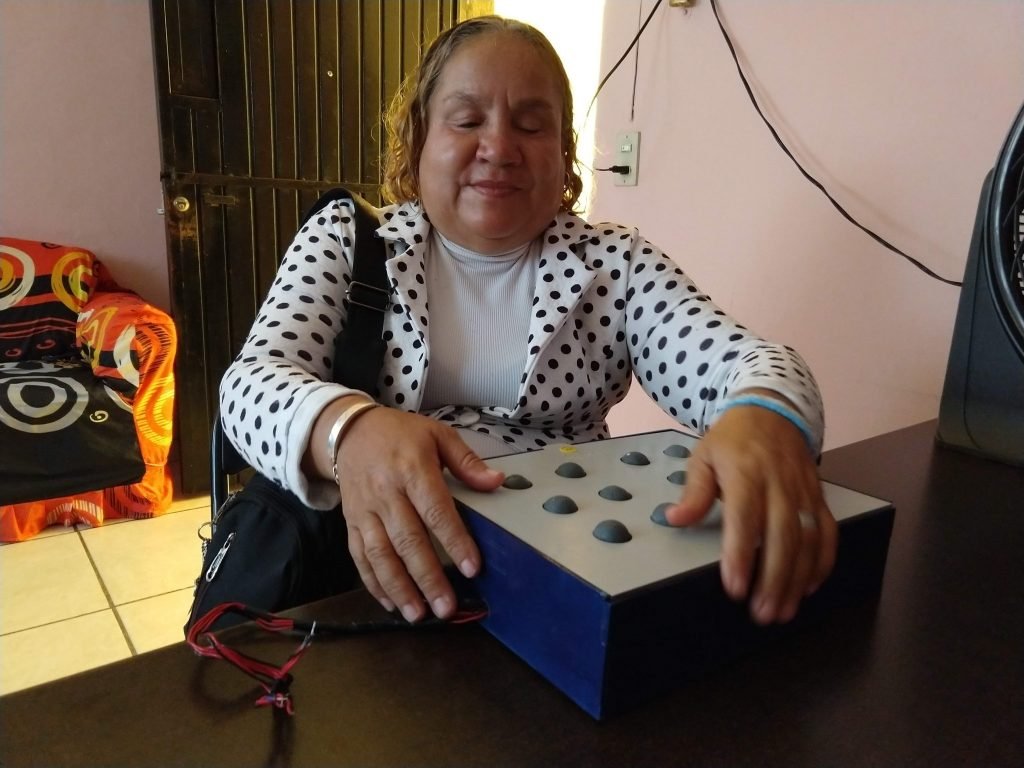
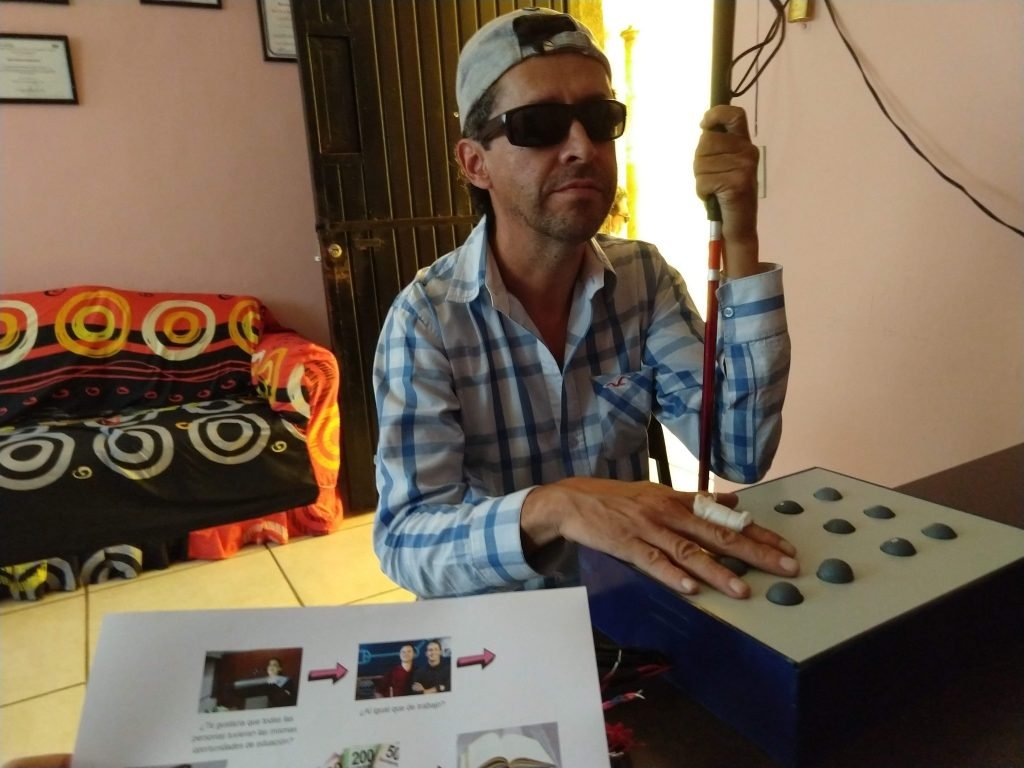
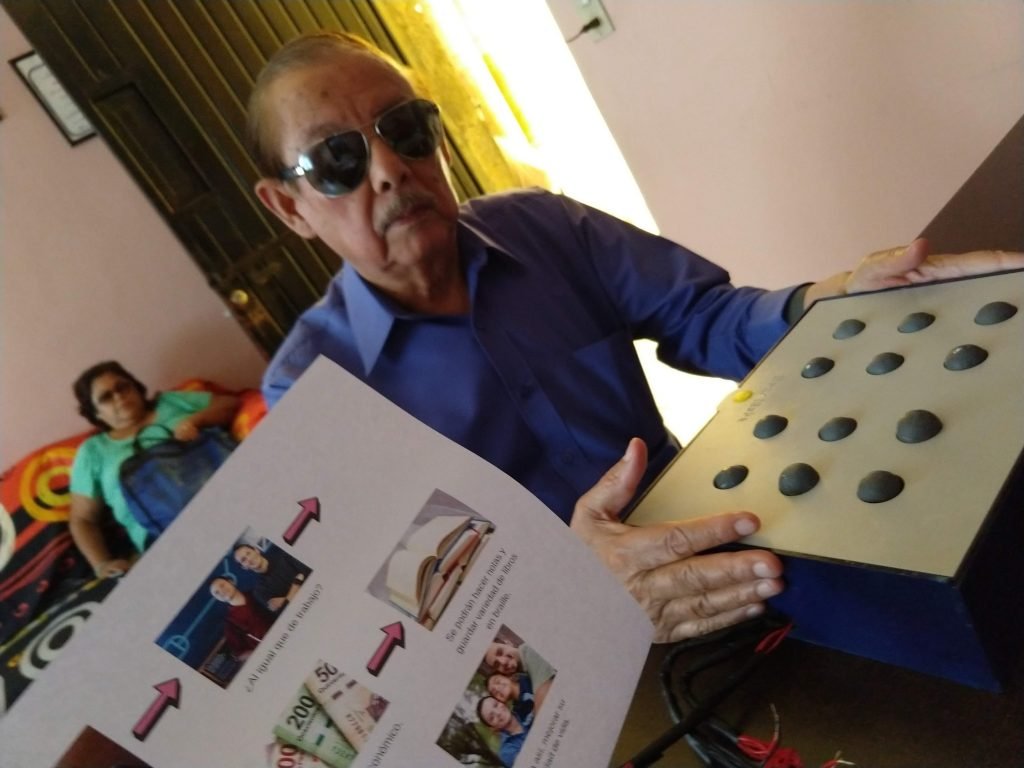
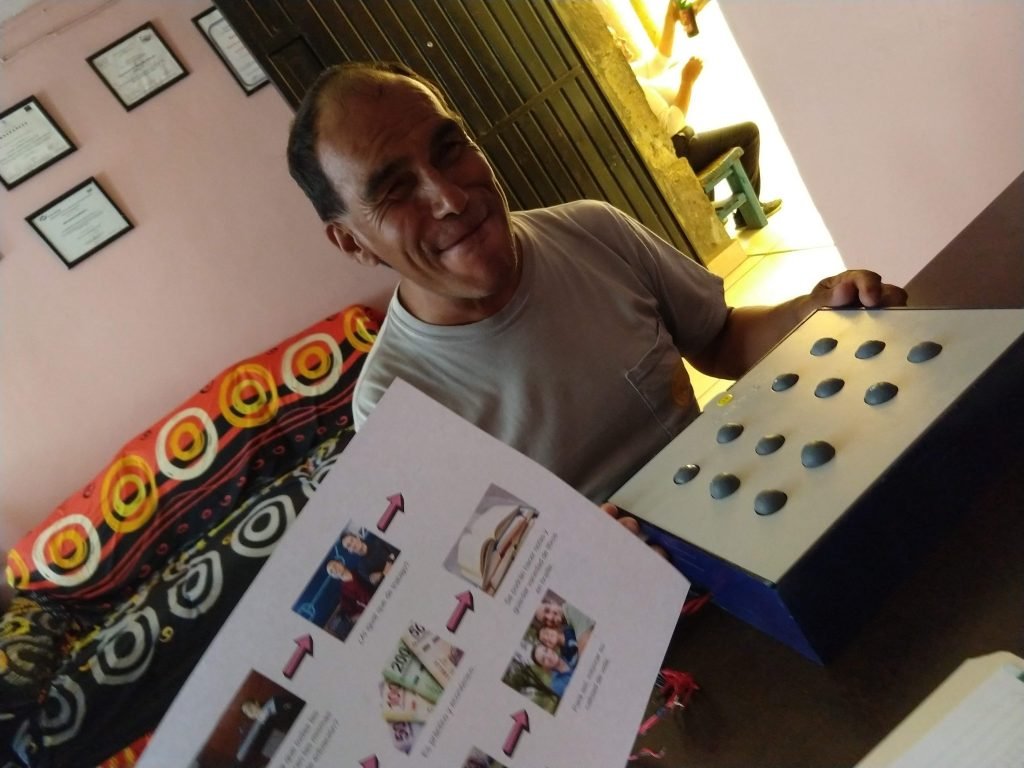
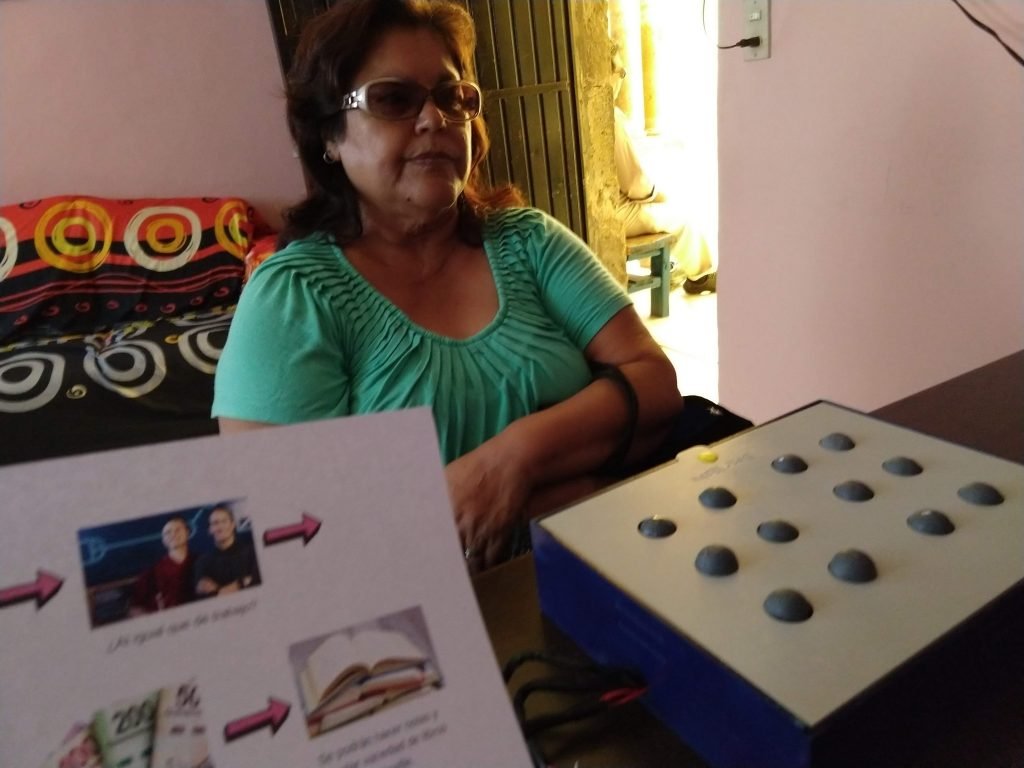
Pictures from the visit to Organización de Invidentes Unidos de Jalisco, A.C.
DEVELOPMENT
Research Part 2
Business Model Validation & Technical Feasibility
Through participation in the SparkUP business incubator and Social Garage workshops, the business model transitioned from B2C to a B2B Corporate Social Responsibility framework.
Market Fit: Corporate interviews indicated an interest in hiring visually impaired employees, provided accessible hardware tools like Brainote were available to facilitate workplace integration.
Feasibility Assessment: Financial and technical analysis revealed that manufacturing multi-line mechanical or fluidic Braille actuators in Mexico required complex engineering expertise and supply chain costs that were not economically viable for local market scale at the time.
IMPACT & LESSONS LEARNED
While BraiNote reached the advanced conceptual and business validation phase, the project highlighted critical systemic gaps in assistive technology manufacturing and funding in Latin America. The field research and ergonomic insights gained from direct collaboration with blind communities established a foundational methodology for subsequent accessibility-focused hardware projects.N
RESULTS
Prototypes
The project progressed through two iterative physical prototyping phases:
Scale Mockup (1:1) 3D Printed Housing: Developed hand-made model of the device on a 1:1 scale to evaluate volumetric ergonomics, handplacement, and portability. Later on the housing was 3D printed.
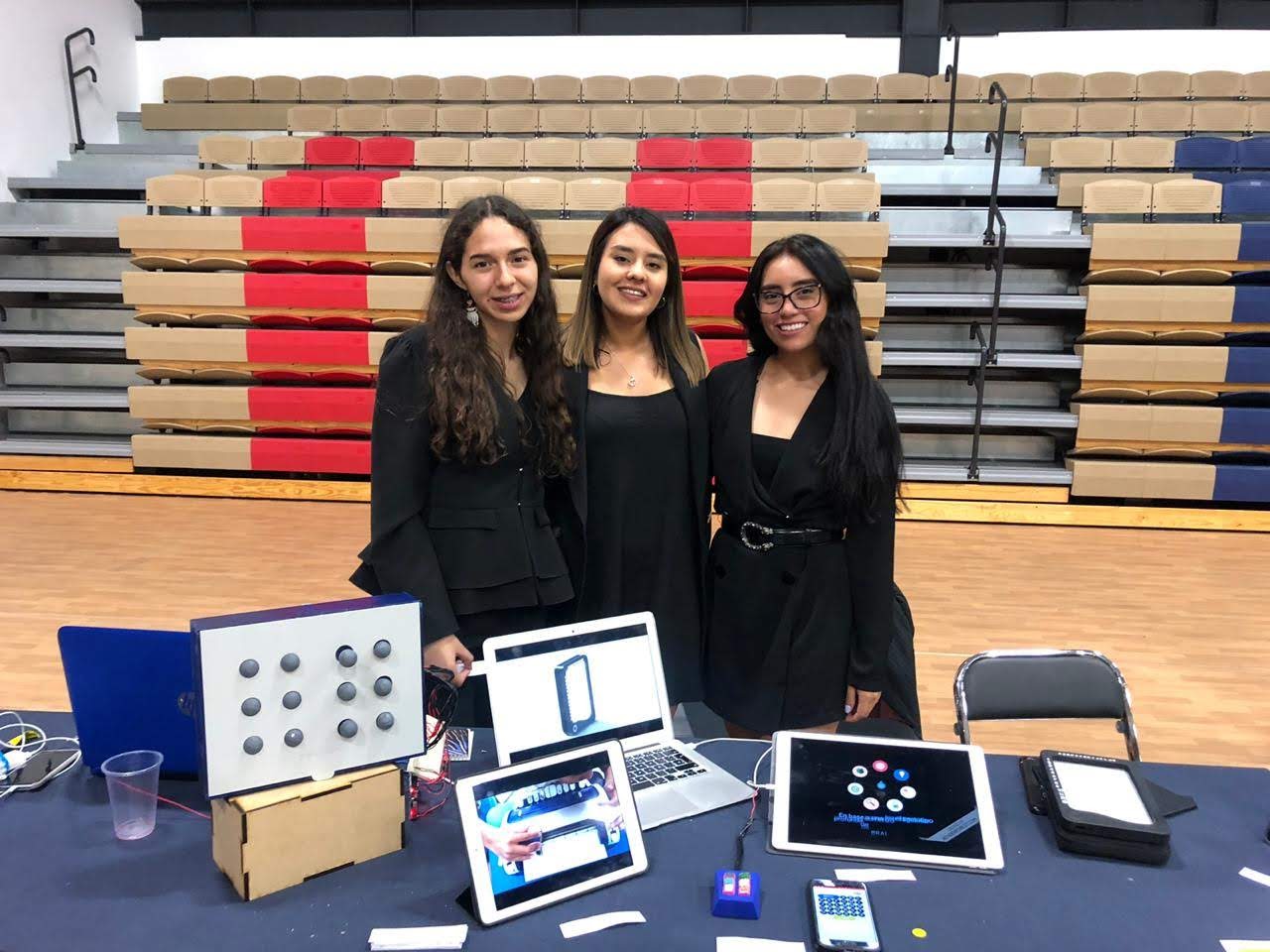
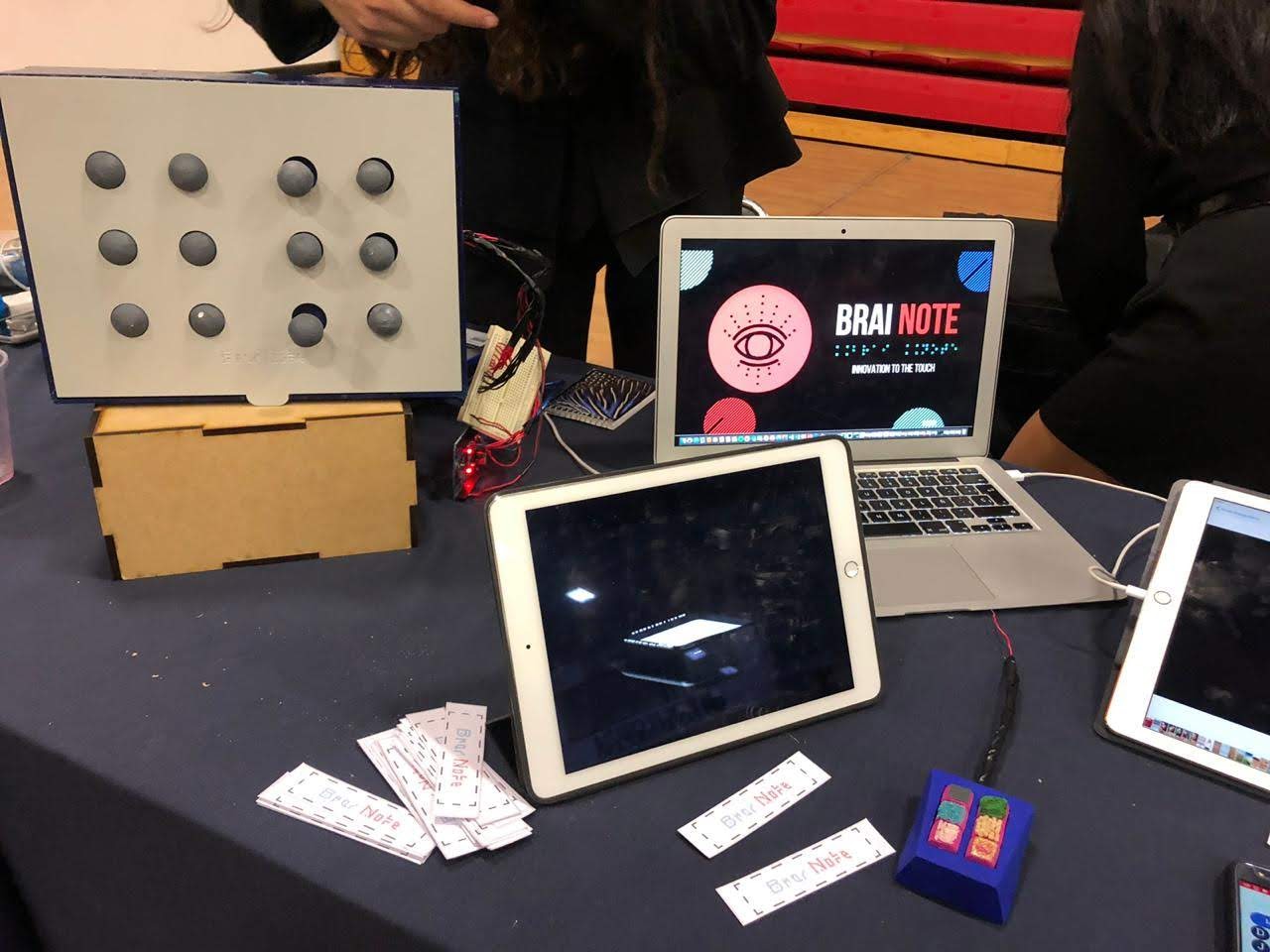
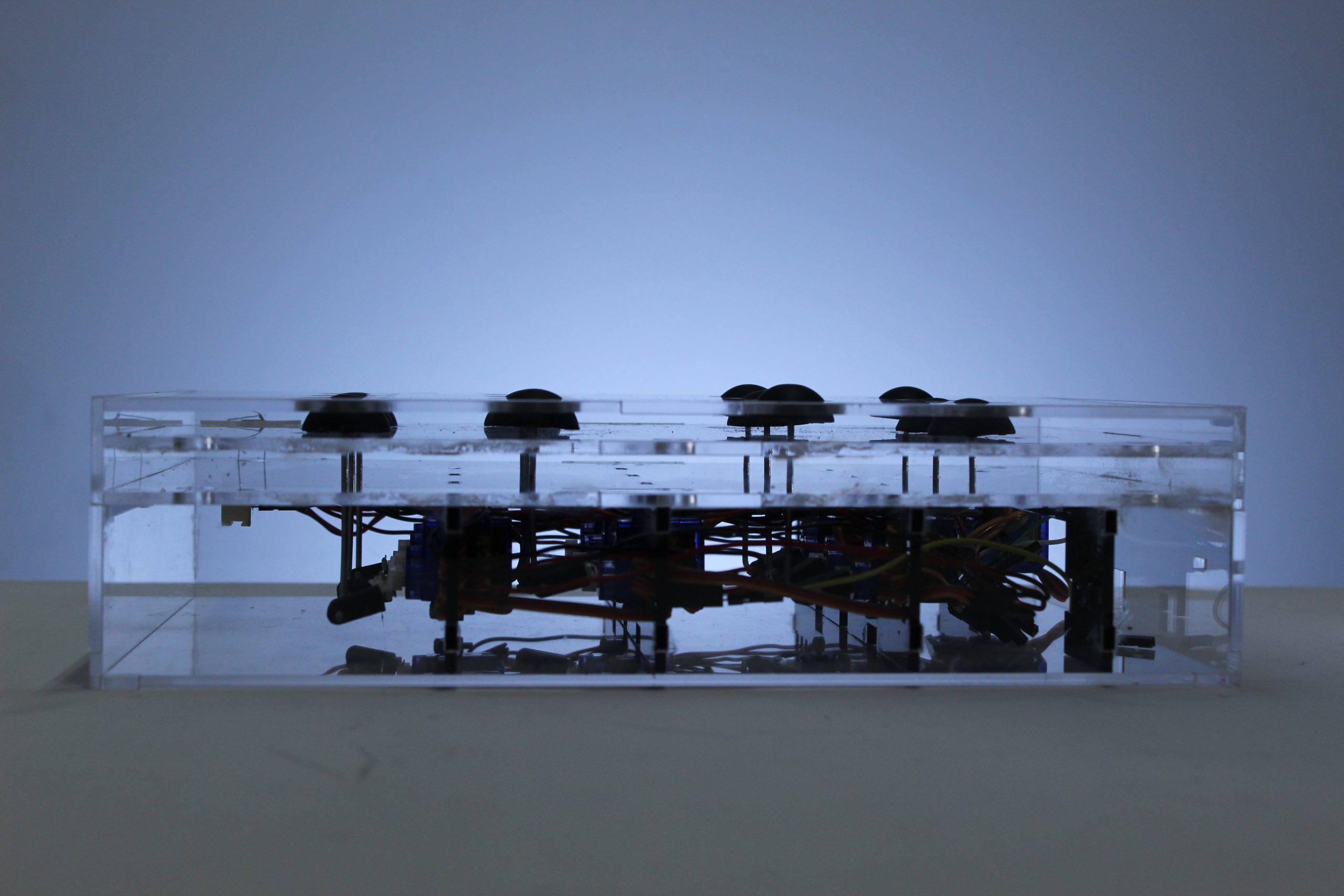
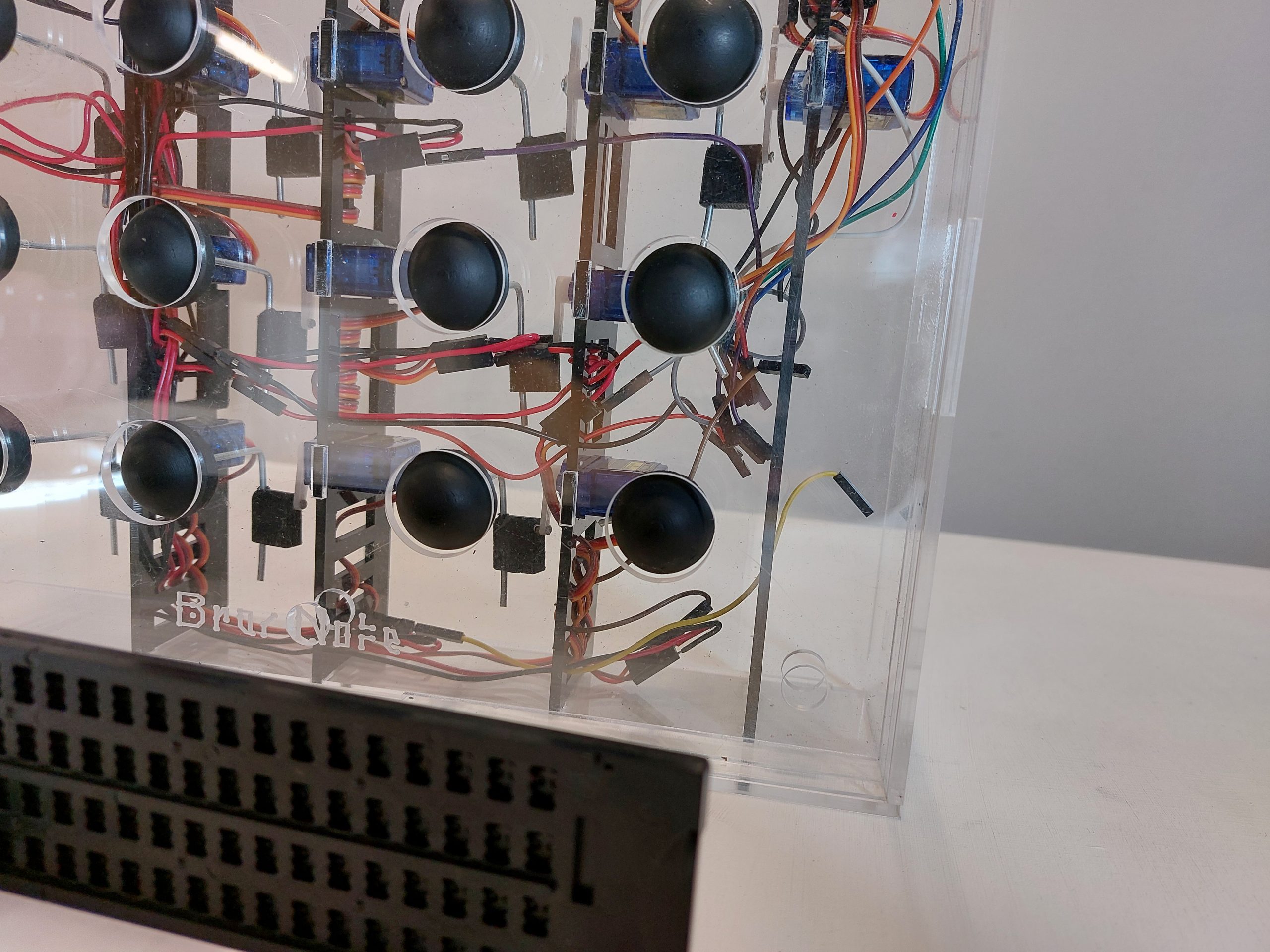
Functional Electronic Proof-of-Concept (200% Scale): Engineered a scaled functional prototype on a laser-cut enclosure housing two 6-dot Braille cells. Controlled via an Arduino board with C++, internal servomotors dynamically actuated physical Braille pins in real time based on text input.